Hands Across the Sea, the largest and most effective literacy assistance organization serving the Eastern Caribbean, is changing the landscape of child literacy. Through our CLASS (Caribbean Literacy and School Support) Program, we are raising the literacy levels of Caribbean children through a three-step process: send great new books; create or rejuvenate lending libraries; and sustain the literacy gains
Step #1: Send New Amazing Asked-for Books
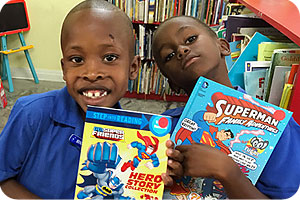
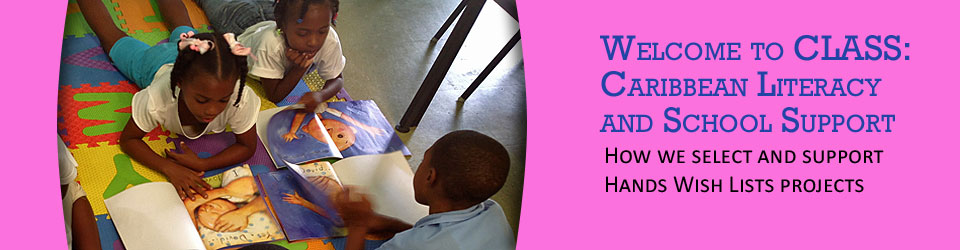
We've seen firsthand that the "donation dumping" practice commonly used by charities that send throwaway books—library discards, worn-out, outdated, or inappropriate books—to Caribbean children is harmful. Hands Across the Sea purchases only new books from the world's leading education and children's book publishers. Not only do children respond to new, well-written and well-illustrated books with contemporary subject matter, the effect of "seeing themselves" in Caribbean-content books is particularly powerful for young readers. How do we know which books and teaching resources to send? All materials are selected in collaboration with the school principals, teachers, and U.S. Peace Corps Volunteers via each year's
Hands Wish Lists.
Step #2: Create/Rejuvenate Lending Libraries
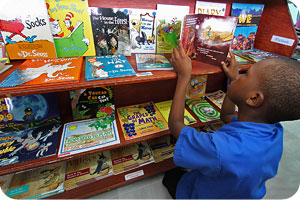
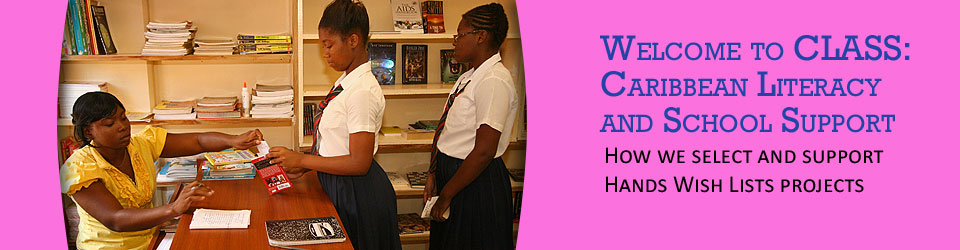
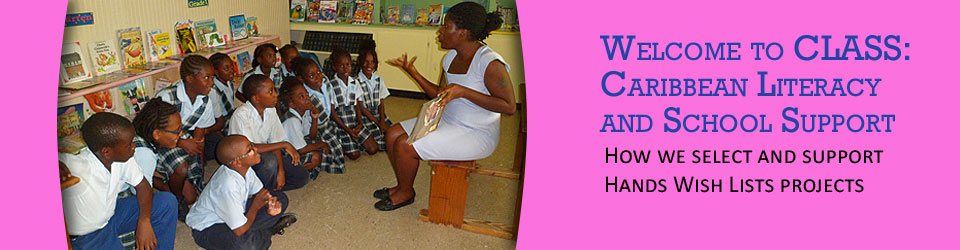
Great books alone are not enough to create a love of reading. Hands Across the Sea works only with schools and community libraries and reading programs whose staff are truly committed to improving literacy, and can draw on support from literacy coordinators and remedial reading teachers. The best way to make reading a part of children's lives is to create sustainable, high-functioning lending libraries, usually a school library. Doing so takes dedication and resources, along with substantial buy-in from school staff, parents, and members of the local community. The methodologies of our
Hands Across the Sea Library Manual for Primary Schools, a guide to creating school libraries, and our
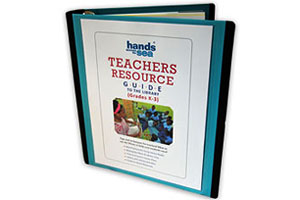
Teachers Resource Guide to the Library (Grades K-3), with proven strategies for making the most of the school library, and the
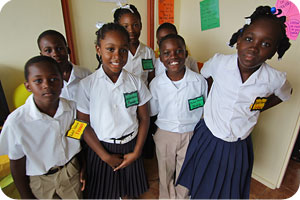
Hands Student Librarian program, which builds pride, responsibility, and a love of books and reading, are being utilized by many schools.
Step #3: Sustain the Literacy Gains
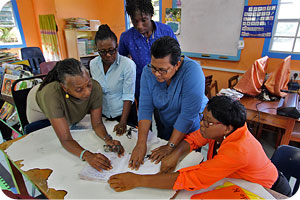
Trained librarians are in short supply throughout the Eastern Caribbean. School libraries are sustained with the help of student librarians, dedicated teachers, government-funded youth employment scheme workers, English department heads, PTA members, and community volunteers. To make sure that the books and teaching supplies are being fully utilized, Hands Across the Sea visits recipient schools and projects; our on-island
Hands Literacy Links work directly with each Hands Wish Lists project. We track sustainability, help schools overcome management obstacles, train staff, implement improvements, and share best practices
within each country and across the region.




 Two words: need and passion. When we're considering assisting a school, community library, reading program, or after-school youth center, first we determine whether a need is present—we want to make sure that assistance from Hands (in the form of books, learning resources, and hands-on help from our Hands Literacy Links) will be utilized appropriately. Second, and just as important, is passion: do the educators at a prospective Hands Wish Lists project have a true passion for literacy? Will they commit themselves—and enlist the aid of parents, community volunteers, and local businesses—to create, rejuvenate, and maintain a lending library for years to come?